Operating a businesses in Solihull, West Midlands with outdoor spaces requires regular maintenance to keep the area looking tidy and professional. CPM Grounds Maintenance is a well-known company that specialises in commercial grounds services, with a particular focus on lawn mowing. By choosing CPM for your outdoor maintenance needs, you can ensure a pristine and well-kept environment for your business premises.

In Solihull and the surrounding areas of the West Midlands, CPM Grounds Maintenance is known for its high-quality services and attention to detail. Our professional lawn mowing services not only help to maintain a neat appearance, but also contribute to the overall health and growth of your lawn. By employing the expertise of our skilled team, businesses can enjoy a well-maintained outdoor space that reflects positively on their brand image.
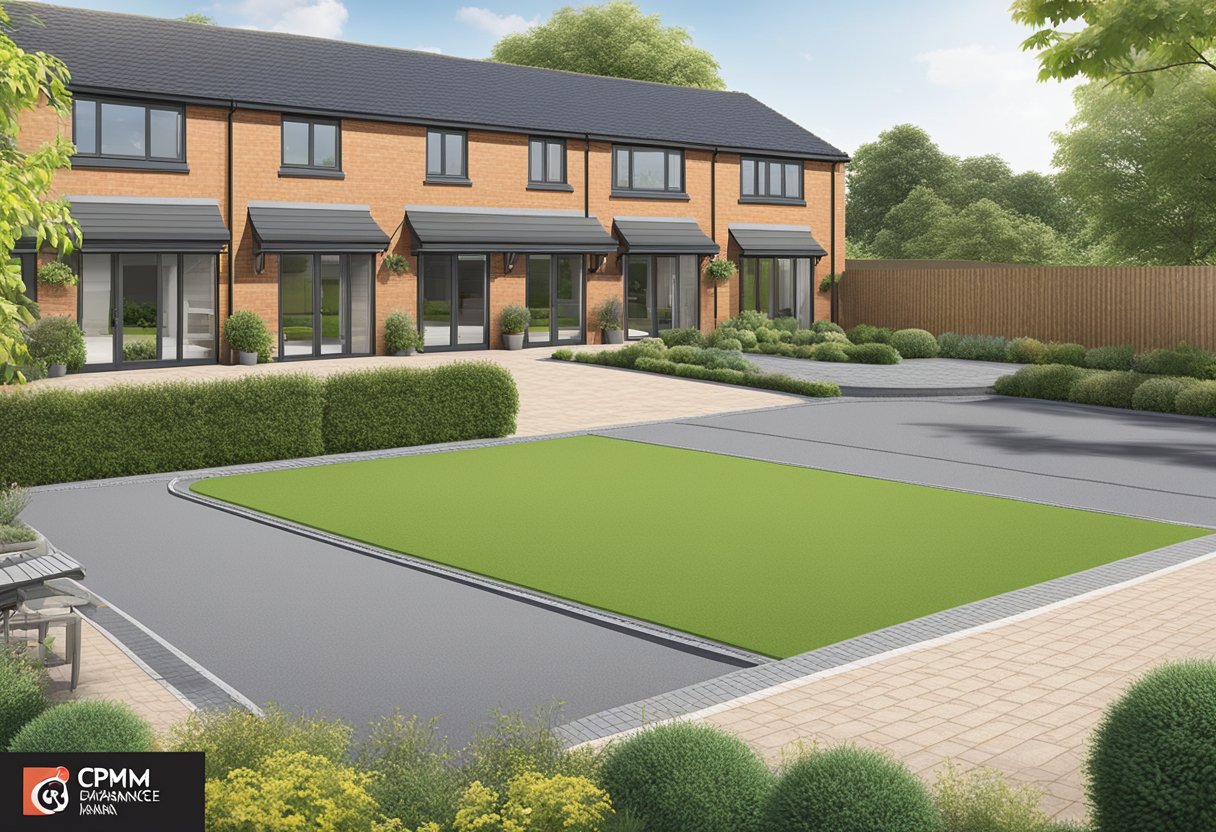
Additionally, CPM Grounds Maintenance offers a comprehensive range of services beyond lawn mowing to transform your commercial space into an attractive and functional exterior. From hedges and borders to car park maintenance, CPM can handle all aspects of commercial grounds management.
Key Takeaways
- CPM Grounds Maintenance offers top-notch lawn mowing services in Solihull and the West Midlands
- A well-maintained lawn contributes to a professional and tidy business appearance
- CPM provides a wide range of commercial grounds services to enhance your outdoor space
Our Professional Lawn Mowing Services
Comprehensive Lawn Care
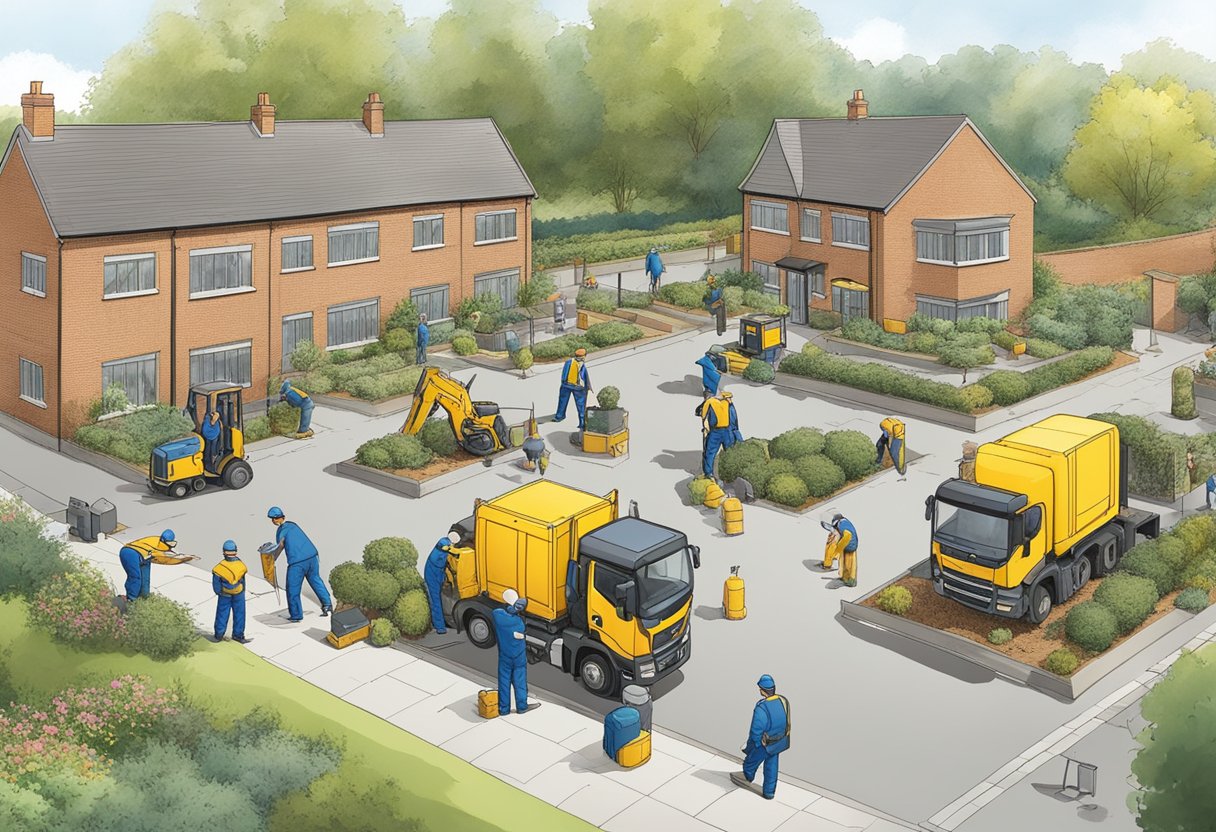
At CPM Grounds Maintenance, we offer professional and comprehensive lawn care services to businesses in Solihull and the wider West Midlands area. Our team of experienced and skilled professionals understands the importance of keeping your commercial premises well-maintained and looking pristine. We offer a variety of services, including grass cutting, pruning, and other essential maintenance tasks to keep your grounds in top condition.
Advanced Mowing Equipment
We use state-of-the-art mowing equipment to ensure clean and precise cuts, efficiently maintaining your outdoor spaces. Our advanced equipment allows us to handle varying grass heights and types with ease, ensuring a high-quality finish that reflects positively on your business. Additionally, our trained operators always take the utmost care when working on your property, guaranteeing the safety and minimising the risk of potential damage.
Tailored Maintenance for Your Business
At CPM Grounds Maintenance, we understand that each business has unique requirements when it comes to their lawn maintenance. That’s why we offer tailored solutions, catering to your specific needs and preferences. Some of the services we provide include:
- Regular lawn mowing: We can schedule regular lawn mowing visits to keep your grounds well-maintained and looking great all year round.
- Selective pruning: Our team can carefully prune bushes, trees and other plants on your premises to encourage optimal growth and aesthetic appeal.
- Grass cutting for sports facilities: If your business includes sports fields or other recreational areas, our professional grass cutting services will ensure they remain in perfect condition for use.
In summary, CPM Grounds Maintenance provides professional lawn mowing and maintenance services for businesses in Solihull and the wider West Midlands area. We are confident in our ability to deliver efficient, high-quality results using advanced equipment and tailored solutions. For more information or to discuss your specific requirements, please contact us.
Why Choose CPM for Your Grounds?

At CPM Grounds Maintenance, we pride ourselves on providing top-notch lawn mowing services in the Solihull area of the West Midlands. In this section, we will discuss the key reasons to choose our company for your grounds maintenance needs.
Reliable and Flexible Services
With our reliable and flexible services, we understand the importance of punctuality and adaptability to any changes in your schedule. Our commitment to ensuring your grounds always look immaculate, whatever the circumstances, helps us to build strong relationships with our customers. Here’s a brief overview of what to expect when choosing CPM:
- Consistent and timely service
- Adaptable scheduling to suit your needs
- Rapid response to emergencies and urgent requests
Skilled Grounds Maintenance Professionals
Our team of experienced grounds maintenance professionals are not only skilled in lawn mowing but also in other essential grounds maintenance tasks. They possess an in-depth understanding of the various techniques and equipment needed to maintain your grounds effortlessly. Some of the key attributes of our professionals include:
- Comprehensive knowledge of lawn maintenance techniques
- Familiarity with the latest grounds maintenance equipment
- Commitment to customer satisfaction
By choosing CPM Grounds Maintenance, you can trust that your grounds will be maintained to the highest standard by skilled professionals. Our dedicated team ensures a lasting relationship by providing reliable, flexible services that meet your expectations and keep your lawn looking immaculate all year round.
Enhancing Your Commercial Space

Landscaping and Design
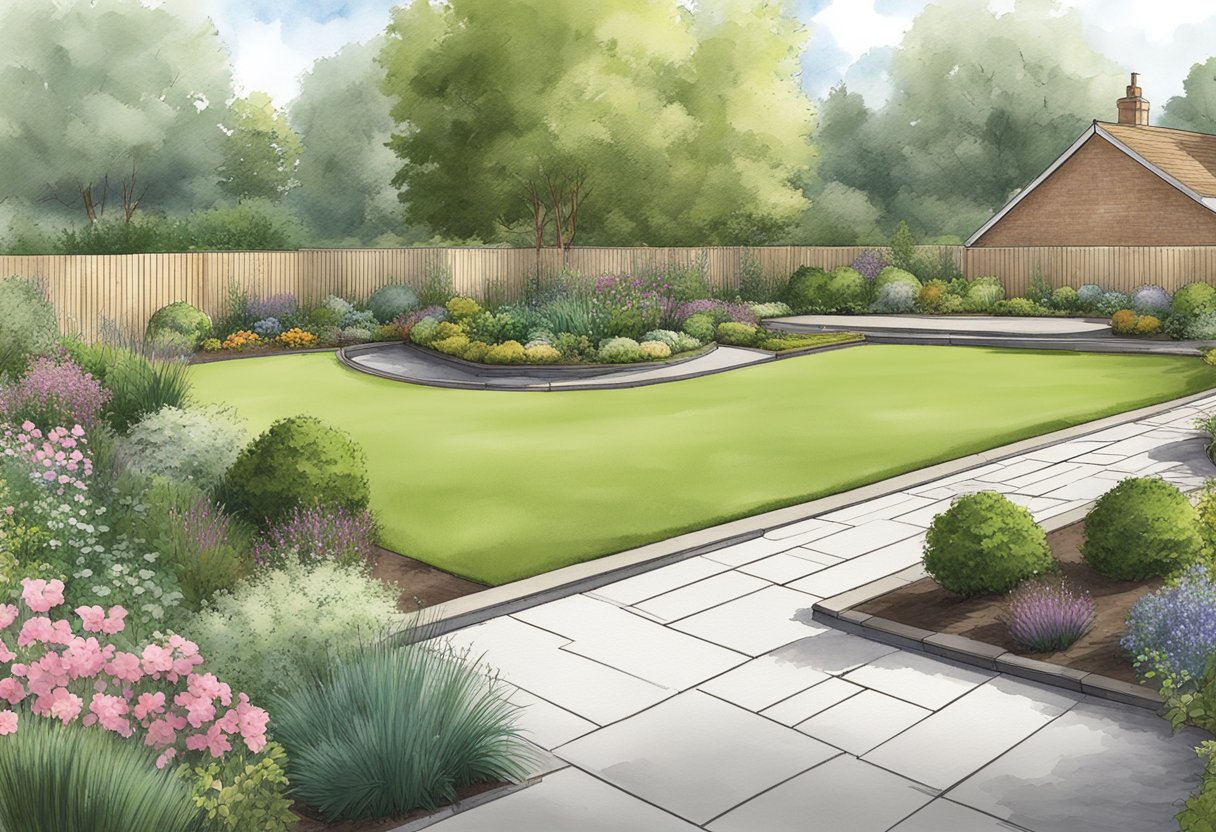
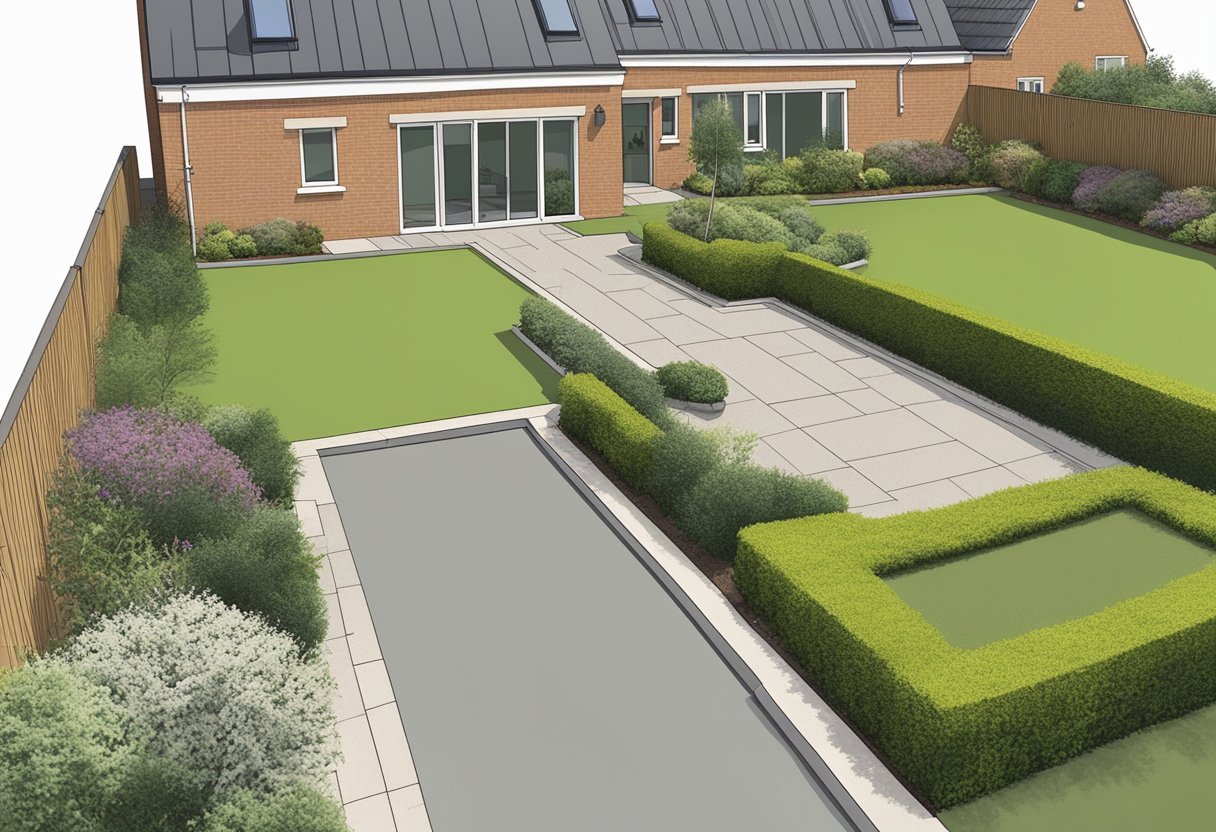
CPM Grounds Maintenance specialises in providing commercial landscaping and design services in Solihull, West Midlands. With a focus on creating sustainable environments, our experienced team works with office grounds, retail spaces, and other commercial properties to enhance their outdoor spaces.
Our landscaping and design services include:
- Lawn mowing and maintenance
- Tree pruning and removal
- Sustainable planting schemes
- Pathways and paved areas
- Decorative and functional features
By investing in professional landscaping, businesses can create a more visually appealing and welcoming environment while also promoting sustainability and biodiversity.
Winter Gritting and Seasonal Services
Winter weather can pose challenges for commercial properties in Solihull. CPM Grounds Maintenance offers essential winter gritting services to ensure that office, retail, and corporate grounds remain safe and accessible during the cold months. Our trained team is equipped to efficiently manage ice and snow, providing a reliable service tailored to the specific needs of each property.
In addition to winter gritting, our seasonal services include:
- Leaf clearance in autumn
- Sprinkler system maintenance
- Seasonal planting and lawn care
- Pest control and prevention
By offering a comprehensive range of seasonal services, CPM Grounds Maintenance goes beyond landscaping and design to support the ongoing upkeep and enhancement of commercial spaces throughout the year.
Contact Us Today for a Free Quote

CPM Grounds Maintenance is a well-established and reputable company providing high-quality lawn mowing services in Solihull and the West Midlands area. Our team of experienced professionals is dedicated to ensuring your lawns look pristine and well-maintained throughout the year.
We understand that every client has unique requirements, which is why we offer tailored services to meet your specific needs. Whether you require a one-off mowing session or ongoing maintenance contracts, our team will provide you with the best possible service to keep your lawn looking its best.
Our **lawn mowing services** include:
- Regular mowing and trimming
- Edge trimming
- Removal of grass clippings and debris
- Seasonal lawn treatments and fertilisation
To make your experience with CPM Grounds Maintenance as convenient as possible, we offer a free, no-obligation quote tailored to your specific needs. Simply provide us with some basic information about your lawn and the services you require, and our team will promptly get back to you with a detailed and competitively priced quotation.
The Solihull and West Midlands area is known for its beautiful landscapes and well-kept gardens. Don’t let your lawn be left behind – let CPM Grounds Maintenance take care of it. Our knowledgeable and efficient team will ensure your lawn maintains a healthy, lush appearance all year round.
For more information or to request your free quote, please don’t hesitate to get in touch with CPM Grounds Maintenance. Let us show you why so many satisfied clients in Solihull and the West Midlands trust us with their lawn care needs.
Frequently Asked Questions

What lawn care services does CPM Grounds Maintenance offer in Solihull?
CPM Grounds Maintenance offers a wide range of lawn care services in Solihull, including lawn mowing, hedge trimming, aeration, and weed control. Their team of professionals works diligently to maintain and improve the appearance of your lawn, ensuring it remains healthy and pristine throughout the year.
How does CPM Grounds Maintenance ensure quality in their lawn mowing services?
CPM Grounds Maintenance focuses on quality service and attention to detail to provide exceptional lawn mowing services in Solihull. The team adheres to a detailed service level agreement specifically created for each client, ensuring all tasks are carried out efficiently and effectively to maintain high standards.
Are CPM Grounds Maintenance’s lawn mowing professionals fully insured and trained?
Yes, the lawn mowing professionals at CPM Grounds Maintenance are fully insured and trained. The company selects its professionals through a rigorous selection process, ensuring they possess the required skills and knowledge to provide high-quality lawn care services in Solihull.
What sets CPM Grounds Maintenance apart from other lawn care providers in the West Midlands?
CPM Grounds Maintenance sets itself apart from other lawn care providers in the West Midlands by delivering tailored solutions for commercial properties in Solihull. Their commitment to quality service, coupled with their attention to detail, ensures that clients receive the best possible lawn care, enhancing the visual appeal of their premises.
Can CPM Grounds Maintenance handle both commercial and residential lawn mowing jobs in Solihull?
While CPM Grounds Maintenance primarily focuses on servicing commercial properties, they also have the expertise and equipment to handle residential lawn mowing jobs in Solihull. By offering a comprehensive range of services, clients can rely on CPM Grounds Maintenance for all their lawn care needs.
How can I get a quote for lawn mowing services from CPM Grounds Maintenance in Solihull?
To obtain a quote for lawn mowing services from CPM Grounds Maintenance in Solihull, you can visit their official website and fill out the enquiry form or contact them directly via phone or email. The team will assess your requirements and provide a tailored quote to meet your specific lawn care needs.